Top 10 SEO Tools for Small Businesses in USA
Small businesses in the USA face crowded toolkits and budget pressure. This guide compares the top 10 SEO tools, highlights trade-offs, and shows how to assemble a practical, AI-powered stack.
Top 10 SEO Tools for Small Businesses in USA
When your budget is tight and every marketing dollar must prove its value, tool chaos is the last thing you need. You don’t want a dozen marginally useful apps; you want a focused, repeatable workflow that actually moves the needle. This guide helps owners, operators, and in-house marketers pick the right mix of tools for a practical, scalable SEO program in the United States.
The Pain Point: Fragmented Tooling and Hidden Costs
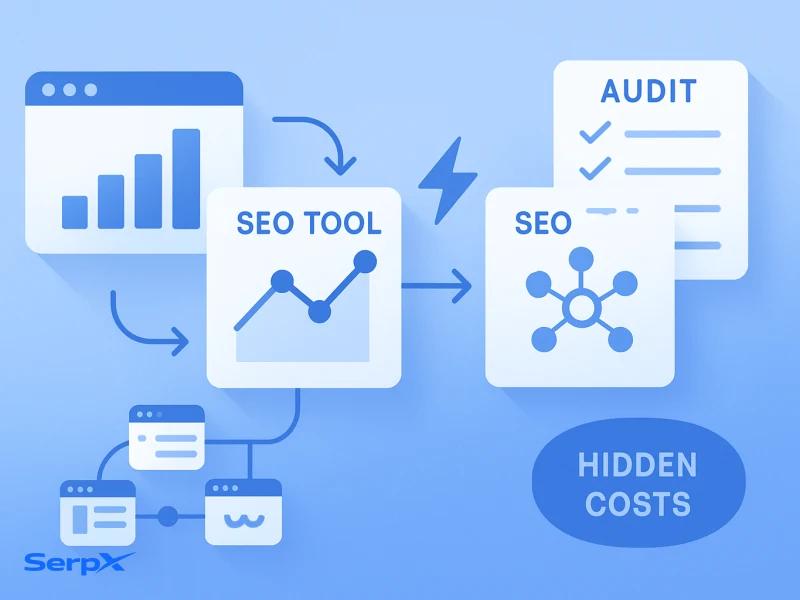
Many small businesses end up buying tools piecemeal—each solves one problem but creates another: onboarding friction, data silos, and inconsistent reporting. The result is wasted hours and missed opportunities. The goal is to assemble a lean stack that covers discovery, content, technical health, and performance tracking without breaking the bank.
Before you dive into the list, consider a quick triage: which tasks steal your time today (keyword research, site audits, content briefs, backlinks, reporting), and which gaps would most reduce friction in your processes? A pragmatic stack prioritizes core SEO needs first and adds specialized tools only as the team scales.
What to Look for in Tools for Small Businesses
One thing many teams miss:
For a small team, the right tool meets these criteria:
- All-in-one potential: Some tools cover multiple functions—keyword research, audit, and reporting—reducing integration work.
- Affordability and value: Transparent pricing, predictable renewals, and scalable plans matter more than splashy features.
- Data quality and freshness: Reliable benchmarks and up-to-date indices prevent misinformed decisions.
- Ease of use and onboarding: Clean UIs, guided workflows, and practical templates shorten ramp time.
- Integrations: Compatibility with your CMS, analytics, and content workflow matters for speed.
Keep an eye on AI-powered automation and how well a tool fits into your content process. If it doesn’t play nicely with your writers and editors, you’ll spend more time chasing data than shipping pages.
Top 10 SEO Tools for Small Businesses in USA
Below is a practical, US-focused shortlist. I’ve highlighted who each tool is best for and where the trade-offs lie. In the table, think of this as a quick decision aid rather than an exhaustive feature dump.
| Tool | Best For | Typical Budget | Core Capabilities | Pros | Cons |
|---|---|---|---|---|---|
| SerpX AI SEO Tools | AI-driven planning, on-page optimization, and automation | From $29–$99/mo | Keyword research, content briefs, automation workflows, site audits | Unified workflows, fast onboarding, accessible dashboards | Newer platform, best with active usage and data input |
| Semrush | Competitive intelligence and strong keyword data | From $199/mo | Keyword analytics, site auditing, rank tracking, content toolkit | Industry staple, broad data coverage | Pricing and complexity can overwhelm small teams |
| Ahrefs | Backlink profiles and content gaps | From $99/mo | Backlink analysis, content explorer, keyword research | Clear link data, strong index | Advanced features can be expensive for startups |
| Moz Pro | Startups seeking approachable SEO basics | From $99/mo | Keyword research, site crawl, page optimization suggestions | Good onboarding, helpful learning resources | Smaller index, fewer enterprise-grade signals |
| Screaming Frog SEO Spider | Technical site audits and crawl analysis | Free basic, paid license | Crawl data, indexability, redirects, broken pages | Deep technical visibility | Steeper learning curve; needs integration with other tools for actionables |
| Google Search Console | Foundational visibility signals and quick wins | Free | Performance data, indexing status, mobile usability | No-cost baseline, essential data | Limited competitive intelligence |
| Ubersuggest | Budget-conscious keyword ideas | From $29/mo | Keyword ideas, basic site audit, traffic estimates | Great value entry point | Data depth varies; reliability concerns for enterprise needs |
| Surfer SEO | Content optimization and on-page guidance | From $29/mo | Content editors, SERP-driven guidelines, audits | Clear content optimization signals | Limited backlink data |
| SE Ranking | All-in-one affordability and scalable plans | From $19/mo | Rank tracking, site audits, keyword research, backlink monitoring | Strong price-to-feature ratio | Smaller data footprint vs top-tier incumbents |
| BrightEdge | Scale-ready teams needing enterprise-grade governance | Custom pricing | Content performance, enterprise dashboards, governance | strong reporting, collaboration features | Pricing and complexity not ideal for small teams |
When you’re choosing, map the table to your workflow: you might need stronger backlink data (Ahrefs), precise technical audits (Screaming Frog), or AI-driven content optimization (SerpX). Use the table as a first-pass filter, then validate with a short pilot period before committing long-term.
Practical Trade-offs and Real-World Scenarios
One thing many teams miss:
Let’s walk through two common situations and how a thoughtfully chosen mix reduces drag:
- Fast-start content push: You’re launching a content sprint for a new service page. A lean starter stack could be SerpX AI SEO Tools for AI-guided briefs, Surfer SEO for on-page guidance, and Google Search Console for performance signals. You track progress with a simple weekly report. If you need competitive intelligence later, add Semrush or Ahrefs in a phased approach.
- Technical health focus: Your site has indexing issues. Pair Screaming Frog for depth with Google Search Console alerts, then rework pages with On-Page best practices (see the linked resource below). If you scale, introduce a more comprehensive site audit tool to automate recurring checks.
One caveat: avoid tool bloat. Too many dashboards create cognitive load and dilute actionability. Start with a core trio and expand only after you’ve demonstrated measurable gains in traffic and conversions.
SerpX Workflow: How to Use SerpX for Quick Wins
SerpX isn’t just a single tool; it’s a workflow. Here’s a practical pattern you can apply this month:
- Plan: Use AI-driven keyword insights to identify a high-potential cluster around your service pages. This streamlines content briefs and aligns editorial with search intent.
- Brief: Generate precise content briefs with AI-augmented guidance, then assign to writers with built-in reminders and SEO constraints.
- Audit: Run a rapid site health check to catch 404s, canonical issues, and internal linking gaps. Use the results to fix critical errors before publishing new pages.
- Optimize: Implement on-page recommendations and ensure semantic relevance with cluster-driven internal linking.
To complementary tooling, you can also consult AI SEO in 2026 for up-to-date automation strategies and best practices.
Soft CTA: Explore powerful capabilities with AI SEO Tools to accelerate your optimization workflow.
Soft CTA: Want to test for free? Check out Free SEO Tools to pilot a few improvements without committing.
Soft CTA: For keyword gaps and competitive analysis, glance at Keyword Gap Tool when you’re ready to deepen your strategy.
7-Point Quick-Start Checklist for Tool Integration
This becomes a problem when
- Define your top 3 revenue-driving pages and map a 4-week improvement plan.
- Choose one AI-assisted tool for briefs and one technical audit tool for quick wins.
- Set up a simple reporting template (traffic, rankings, conversions) with weekly cadence.
- Create a content calendar aligned with keyword clusters and user intent.
- Implement a basic internal-linking strategy to reinforce topical authority.
- Automate routine checks (crawl health, broken links, and mobile usability).
- Review results, then consider expanding with more targeted tools as needed.
For a deeper dive into structured content and page-level optimization, see the On-Page SEO Checklist.
Common Mistakes to Avoid
- Over-optimizing too soon: You can weaponize optimization too early. Prioritize user-centric pages before aggressive keyword stuffing.
- Ignoring data quality: Bad data corrupts decisions. Validate data sources, refresh cadences, and triangulate with multiple signals.
- Fragmented workflows: Don’t force multiple team members into separate silos. Integrate tools into a shared editorial workflow.
- One-size-fits-all tooling: Small businesses differ from enterprises. Tailor plans to your scale and revenue goals.
Frequently Asked Questions
This becomes a problem when
What is the best single tool for a small business?
There isn’t a one-size-fits-all answer. A practical approach is to start with a core AI-enabled tool for planning and a strong site health checker, then add a secondary tool for keyword research as needed. This keeps the stack lean while delivering measurable improvements.
How do I avoid tool sprawl?
Map your decisions to specific outcomes (traffic, conversions, or content velocity) and retire tools that don’t demonstrably contribute to those outcomes within a quarterly review.
Are paid tools worth it for a small business?
Yes, if the tool directly reduces time-to-value and improves results. Start with affordable plans and scale as your ROI becomes evident. Look for bundles or starter kits that align with your growth path.
Should I rely on AI for keyword research?
AI can accelerate discovery and clustering, but human judgment remains essential for intent interpretation and content quality. Use AI as an assistant, not a replacement for strategy.
What metrics matter most to a small business?
Focus on qualified traffic, revenue-influencing conversions, and content velocity. Rank changes matter, but only when they translate into tangible outcomes.
Related Articles
- AI SEO in 2026: Complete Guide
- SerpX vs Semrush: A Full, Honest Comparison (2026)
- Keyword Gap Analysis: Find Keywords Your Competitors Rank For
Ready to see how SerpX fits your business? Explore pricing to choose a plan that scales with you, or get started today.
Apply these ideas with SerpX tools
Turn insights into action with practical workflows for keyword research, competitor analysis, backlink review, and SEO planning.