Best value SEO tools for German marketing experts
A practical guide to choosing cost-effective SEO tools tailored for German marketers, balancing price, data quality, and workflow integration today.
Best value SEO tools for German marketing experts
When budget lines tighten, German marketing teams still need to defend page rankings, local relevance, and lead quality. The decision isn’t simply about the lowest price; it’s about value: data you can trust, workflows that actually scale, and gear that fits a German regulatory and linguistic reality. This guide helps you choose the right mix of tools for strong ROI, without overpaying for features you won’t use.
A practical decision point: cutting through the noise without breaking the bank
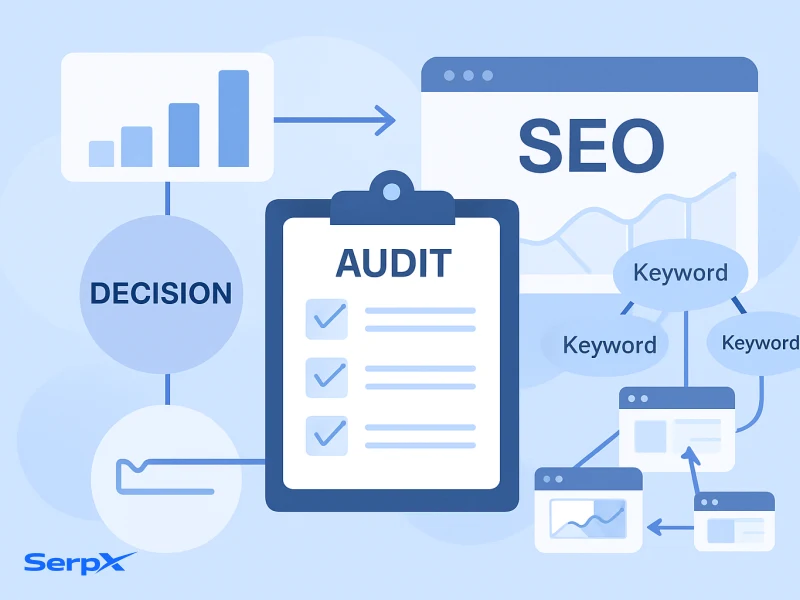
Imagine you’re building an SEO playbook for three German markets with distinct dialects, competitive landscapes, and consumer intents. You need keyword research, content optimization, competitor insight, and performance tracking — but you can’t spend like a multinational agency every quarter. Where do you start, and how do you know you’re getting true value?
Start with a tight framework: price vs. data quality, local relevance, workflow compatibility, and vendor reliability. The right toolkit won’t just save money; it will prevent misaligned campaigns, wasted hours, and noisy data that misleads your strategy.
What makes a tool the best value for German marketers
Here’s the practical reality:
Value for a German team isn’t identical to value for teams elsewhere. A tool’s usefulness hinges on four practical pillars:
- Local data quality and language support: German keyword groups, locale nuances, and SERP features that reflect German search behavior.
- Compliance and privacy: GDPR-friendly data collection, clear data ownership terms, and transparent processing practices.
- Workflow compatibility: integration with your existing content, analytics, and CMS stack; automation that saves time, not adds complexity.
- Cost-to-value balance: affordable monthly pricing, predictable scaling, and useful features that reduce manual work.
In practice, this means favoring tools that offer strong keyword gap analysis, accurate ranking signals, and reliable backlink data without forcing you into a premium tier for basic needs.
Germany-specific considerations and data relevance
German search behavior isn’t a direct mirror of English-language markets. Consider these realities when evaluating value:
- Local intent matters: queries show different intent signals; you’ll want tools that surface German intent patterns and clustering aligned to local user journeys.
- Regulatory and language quality: content optimization is most effective when tools support German grammar and locale-specific content heuristics.
- Cross-border content strategy: if you rank in Germany and Austria, you’ll need data that covers both markets reliably, with clear geographic segmentation.
Avoid simply translating pages and hoping rankings improve. Choose tools that offer German-language support, locale-accurate keyword data, and region-aware reporting.
Best value tools for German teams
That matters because
Below are practical tool profiles you can mix into a lean, German-centric toolkit. Each is chosen for real-world cost effectiveness, strong local signal, and smooth workflow integration. Where useful, I’ve noted what each option is best for and potential trade-offs.
- AI-powered SEO tools bundle — great for automating keyword research and content optimization while keeping a tight budget. See how AI-assisted workflows can replace repetitive tasks and accelerate iterations. Explore AI SEO Tools.
- Keyword gap capability — essential for uncovering opportunities German competitors aren’t fully addressing. Pair with direct gap analysis workflows. Learn more at Keyword Gap Tool.
- Competitor keyword insights — useful for benchmarking against local players and identifying high-value targets. Check out the Competitor Keyword Research tool. Competitor keyword research tool.
- Backlink data with quality checks — essential for evaluating authority signals without overpaying for broad, noisy datasets. See Backlink Checker. Backlink Checker.
These options pair well with broader guidance from comparable analyses in our ecosystem, including practical comparisons like SerpX vs Ahrefs and SerpX vs Semrush to understand where value lies in your specific context.
Soft CTA: to test the value of these capabilities without a large commitment, explore SerpX AI SEO Tools and run a quick pilot on a German keyword set.
Side-by-side value comparison
Use this quick table as a starting point to assess whether a tool’s price aligns with the value it delivers in a German market context.
| Tool | Typical price (monthly) | Best use case for German teams | Data coverage (Germany+DEU-language) | AI-enabled features | Notes on value |
|---|---|---|---|---|---|
| AI SEO Tools bundle | €39–€99 | Keyword research automation, content briefs | High for German terms, localized clusters | Yes, workflow automation | Strong value if you scale content quickly; watch for tier limits. |
| Keyword Gap Tool | €19–€59 | Opportunity discovery, gap prioritization | Solid for DEU; ensure region filters are active | Basic AI suggestions | Low cost with high impact on planning cycles. |
| Backlink Checker | €29–€89 | Backlink quality and risk assessment | Europe-focused datasets available | Limited AI in some modes | Important for authority; ensure data freshness. |
For deeper, practice-oriented comparisons, see our in-depth analyses such as SerpX vs Ahrefs and SerpX vs Semrush.
SerpX workflow: practical, cost-conscious SEO in action
Here’s the practical reality:
Here’s a lean, repeatable workflow that emphasizes value for German teams, using SerpX as the central hub:
- Define a German-focused goal: increase qualified traffic from Germany by 20% in 90 days. Align with monetizable pages (product pages, category pages, and key informational content).
- Capture the right keyword set: start with local intent signals, then expand to related terms using the Keyword Gap Tool. Explore the tool.
- Analyze competitors: pull German competitor keywords and map gaps to your content plan. See Competitor Keyword Research tool for a guided approach. Competitor keyword research tool.
- Prioritize content briefs: generate German-language content briefs and optimization tips with AI-assisted workflows. Learn more about AI Content Optimization and AI-assisted content. AI Content Optimization.
- Optimize and publish: implement on-page changes, schema, and internal linking. Use the On-Page SEO Checklist to ensure you cover essentials. On-Page SEO Checklist.
- Measure and iterate: track rankings, traffic, and conversions with reliable rank tracking. Consider combining SerpX rank data with exportable dashboards to avoid vendor lock-in. Reliable Rank Tracking.
Two practical warnings: data latency can distort the early signals after a change, and language nuances may require manual review of AI-generated content before publication.
Soft CTA: integrate the Keyword Gap Tool into your sprint planning to keep your German campaign fresh and focused. It’s a natural companion to AI-driven optimization.
Checklist: evaluate tools before purchase
- Does the tool offer strong German-language data and locale targeting?
- Are privacy, data ownership, and GDPR considerations clearly stated?
- Can you run a pilot with a small keyword set before committing?
- Is there a clear price tier that matches your team size and needs?
- Can the tool integrate with your CMS and analytics stack without heavy custom work?
- Does the vendor provide transparent roadmaps and responsive support?
Common mistakes when choosing value tools
That matters because
- Overemphasizing price: cheap tools trade away data quality or support, which costs more in the long run.
- Ignoring localization: German-language accuracy and region-specific signals are not optional for value.
- Forgetting self-service testing: skipping pilots leads to misalignment between expectations and outcomes.
- Relying on a single vendor: a diversified toolkit reduces risk and improves coverage across Germany.
Frequently Asked Questions
What defines 'value' for SEO tools in Germany?
Value is a combination of data quality, local relevance, cost efficiency, and the ability to automate repetitive tasks without sacrificing accuracy. Tools that help you validate German intent and optimize for local SERP features tend to deliver higher ROI.
Should I pay more for GDPR-compliant data?
Only if the extra compliance translates into clearer data ownership, better trust with customers, and smoother audits. For many teams, compliant data is a prerequisite, not a luxury.
How many tools do I really need for a German market plan?
A focused core set works best: keyword gap analysis, competitive intelligence, content optimization, and rank tracking. You may add one or two adjunct tools as you scale.
Is AI content optimization reliable for German pages?
AI can accelerate workflows, but you should review language quality and legal tone. Use AI-generated drafts as starting points, then human-edit for accuracy.
What should I do first if I have a tight budget?
Start with a core tool for German keyword gaps and a rank-tracking setup. Add one cost-efficient companion tool to cover backlink analysis and content optimization as you prove ROI.
Where can I find practical, up-to-date comparisons?
Review side-by-side analyses such as SerpX vs Ahrefs and SerpX vs Semrush to understand value trade-offs and workflow fit.
Related Articles
Here’s the practical reality:
Interested in turning this guidance into a repeatable, cost-conscious process? Explore SerpX pricing and options, then register to build your German-market SEO engine today. See pricing or get started.
Note: For broader context on tool selection and SaaS workflow strategies, you can also review practical comparisons and guides in our other posts. For example, our guide on best tools for startups in Canada and the USA offers transferable workflow ideas that you can adapt to Germany.
Apply these ideas with SerpX tools
Turn insights into action with practical workflows for keyword research, competitor analysis, backlink review, and SEO planning.